
Blog
The Art Of Japanese Sword Polishing: Techniques and History
Discover the intricate art of Japanese sword polishing. Learn its history, the meticulous process involved, different polishing schools, how to care for your sword, and find a qualified polisher. Understand why polishing is crucial for preserving and enhancing the beauty and value of these historical artifacts.
1. Understanding Japanese Sword Polishing
What is Japanese Sword Polishing?
Japanese sword polishing, known as togi (研ぎ), is far more than simply making a blade shiny. It’s a meticulous and highly specialized craft integral to bringing out the sword’s inherent beauty, revealing the hada (grain pattern of the steel), and enhancing the hamon (temper line). It involves a precise multi-stage process of carefully rubbing the blade with progressively finer abrasive stones. This process not only refines the sword’s appearance but also plays a crucial role in preserving its structural integrity and historical significance. Togishi, the master polishers, are highly respected artisans who undergo years of rigorous training to develop the necessary skills and knowledge.
Unlike Western sword polishing, which primarily focuses on achieving a mirror-like finish, Japanese sword polishing is a holistic approach. It considers the sword’s overall health, history, and artistic value. A skilled togishi can reveal the subtle details forged into the blade centuries ago, telling a story through the steel itself. They understand the different forging techniques used throughout history and tailor their polishing methods accordingly. This ensures the sword’s unique characteristics are highlighted while maintaining its historical accuracy.
The Purpose and Importance of Polishing
Unlike ordinary sharpening, polishing a Japanese sword is a highly specialized process that serves multiple purposes:
- Revealing the Sword’s Aesthetic Qualities
- The hamon (刃文, temper line) becomes clearly visible.
- The jihada (地肌, steel grain pattern), created through folding, is enhanced.
- The sword’s curvature and geometry are refined.
- Perfecting the Blade’s Cutting Edge
- The blade is sharpened to an extremely fine edge, capable of cutting through targets with minimal resistance.
- The balance between sharpness and durability is maintained to prevent chipping or excessive wear.
- Preserving and Protecting the Sword
- Proper polishing removes surface oxidation and minor imperfections.
- The process smooths and strengthens the steel, helping to prevent future corrosion.
A poorly polished sword can obscure its beauty and even diminish its effectiveness in cutting. Thus, polishing is as essential as the forging process in the creation of a fine Japanese sword.
The Traditional Polishing Process
1. Rough Polishing (Arajigane, 荒地金)
- This initial stage removes hammer marks, scale, and irregularities left from forging and quenching.
- Coarse-grit natural stones are used to correct the geometry of the blade, ensuring the proper curvature and cross-section.
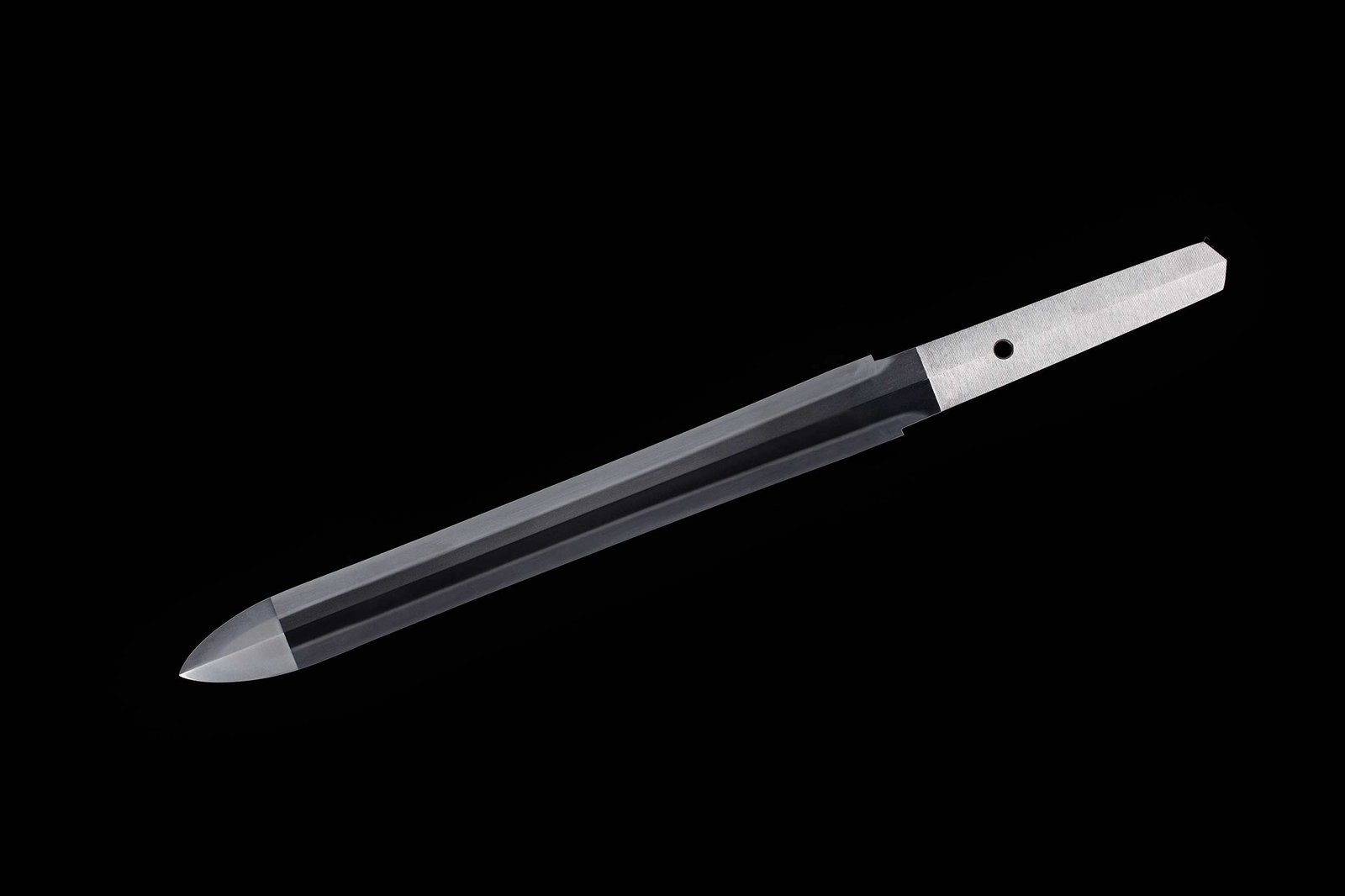
- The togishi carefully works to align the shinogi (鎬, ridge line) and mune (棟, spine), maintaining the original shape intended by the swordsmith.
Key Stones Used:
- Binsuido (備水戸) – A coarse, fast-cutting stone.
- Kaisei-do (砥石, 改正砥石) – A slightly finer stone to refine the initial shape.
2. Foundation Polishing (Kaji-Togi, 鍛冶研ぎ)
- This step smooths out deep scratches and refines the blade’s contours.
- Medium-grit whetstones are used to gradually sharpen the blade while preserving its geometry.
- The togishi ensures that the blade’s plane (hiraji, 平地) remains flat, and the shinogi is sharp and well-defined.
Key Stones Used:
- Chū-nagura-do (中名倉砥) – A medium-grit stone that removes the marks from the rough polishing stage.
- Koma-nagura-do (細名倉砥) – A finer stone used for smoothing the steel.
3. Fine Polishing (Shiage-Togi, 仕上げ研ぎ)
This stage refines the sword’s surface, enhances the hamon, and gives the blade its final finish.
- The togishi now begins to reveal the hamon and jihada through careful polishing techniques.
- Extremely fine polishing stones are used to bring out the natural grain patterns of the steel and enhance the contrast between the hardened edge and softer spine.
Key Stones Used:
- Hazuya (刃艶, thin polishing stones) – Used to polish the hamon and highlight its details.
- Jizuya (地艶, ultra-fine polishing stones) – Used to polish the steel grain and refine the surface.
The togishi applies water and polishing compounds to achieve an extremely smooth and reflective surface.
4. Final Polishing (Hadori, 刃取り)
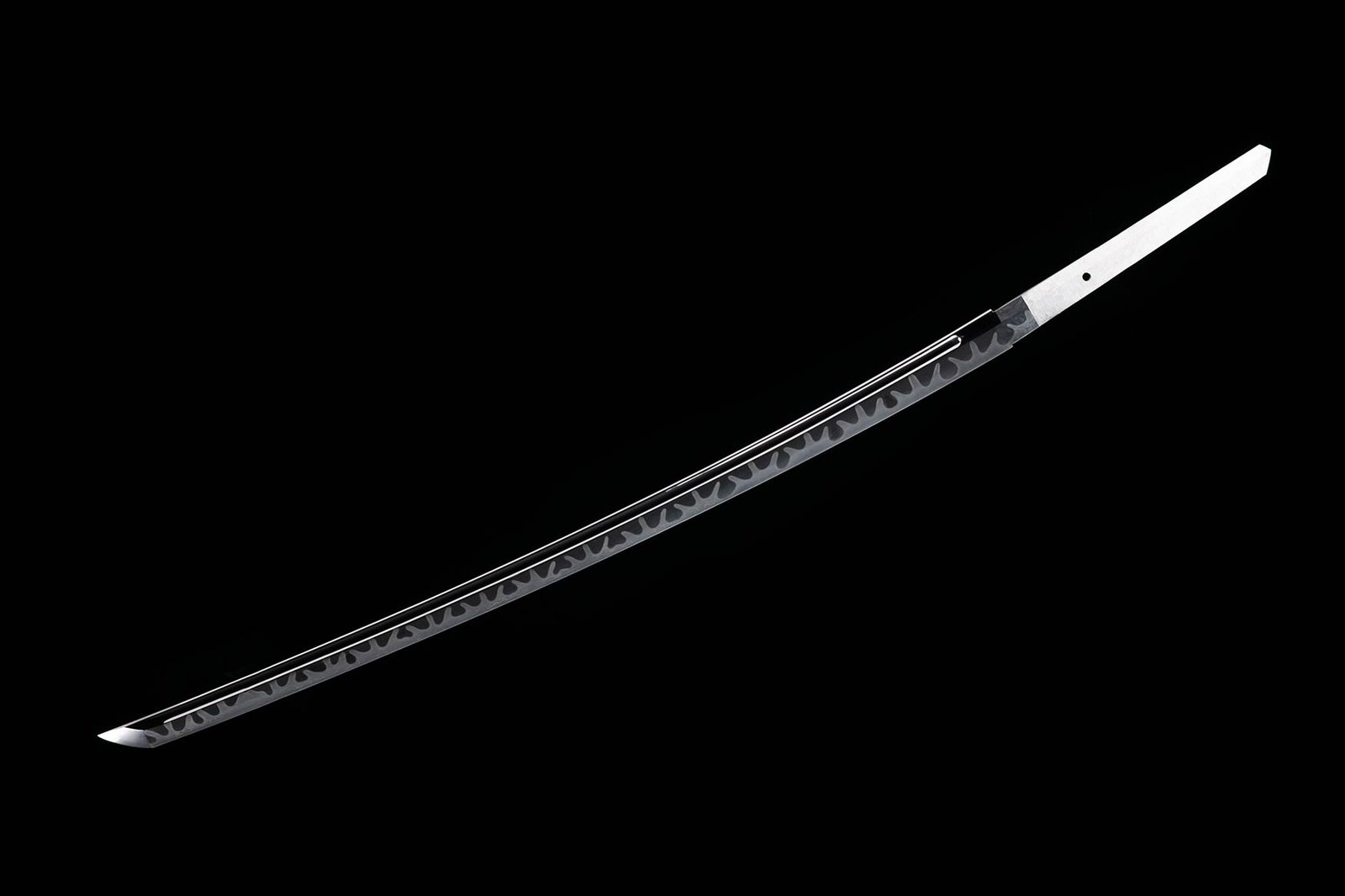
At this stage, the togishi carefully accents the hamon using hadori (刃取り) techniques, creating a striking frosted or misty effect along the edge.
- A small, hand-held hazuya stone is used to bring out the bright, crystalline formations in the hamon.
- The remaining parts of the blade are polished to a high mirror-like finish, emphasizing the contrast between the hardened edge and the softer spine.
- The final polish sharpens the cutting edge to perfection.
This is the most visually distinctive stage, where the blade’s true beauty is revealed.
5. Additional Treatments
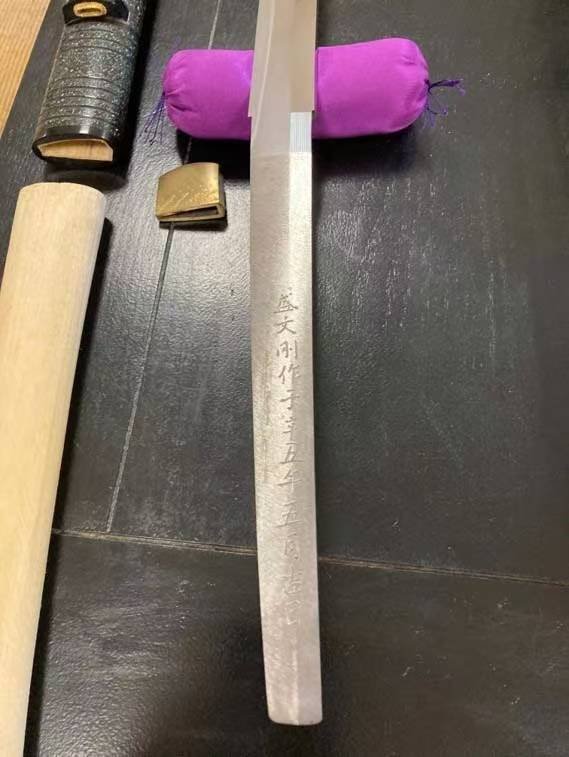
- Mei (銘, Swordsmith’s Signature): The togishi carefully preserves or enhances the engraved signature on the tang (nakago, 茎).
- Nakago Finishing: The tang is left with a rough patina, as this helps prevent rusting when stored in the handle.
At the end of the process, the blade is carefully inspected under different lighting conditions to ensure perfection in both form and function.
Tools and Materials Used in Polishing
A togishi relies on a variety of specialized natural stones and techniques. Unlike modern machine-based polishing, traditional togi is entirely done by hand, using:
- Natural Whetstones (Tōishi, 砥石) – Different grits and hardness for various stages of polishing.
- Hazuya and Jizuya Stones – Small wafer-thin stones for detailed work on the hamon and jihada.
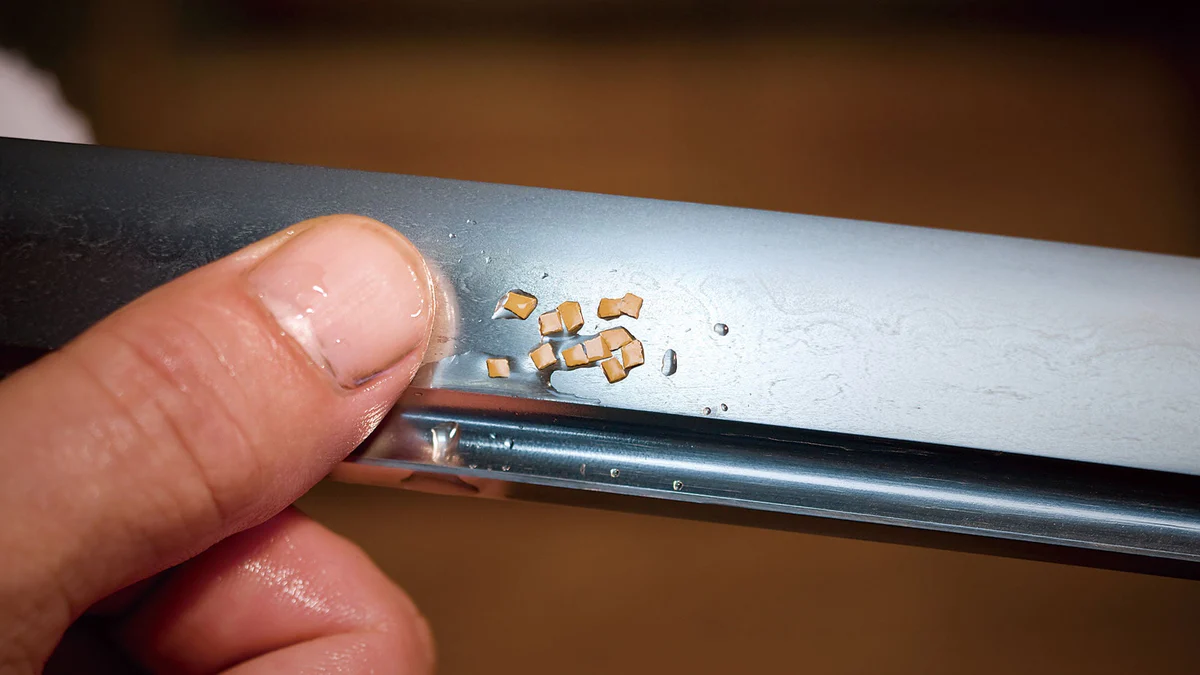
- Finger Stones (Yubi-Togi, 指研ぎ) – Tiny pieces of polishing stones wrapped in paper and applied by hand.
- Water and Polishing Slurries – Used to control the friction and enhance smoothness.
These materials are sourced from famous Japanese quarries, such as those in Narutaki and Ohira.
The Role of the Togishi (研師)
A togishi is not just a polisher but a highly trained artist and technician.
- Training under a master togishi takes 10 years or more before one can work independently.
- A togishi must understand swordsmithing, metallurgy, and artistic presentation.
- Their work determines the final visual and functional quality of the blade.
- An expert togishi can enhance or diminish the reputation of a swordsmith depending on their skill.
In some cases, a poorly polished blade can be restored by a skilled togishi, but improper polishing can permanently damage or devalue an otherwise excellent sword.