
Blog
What Is Iaido? 居合道

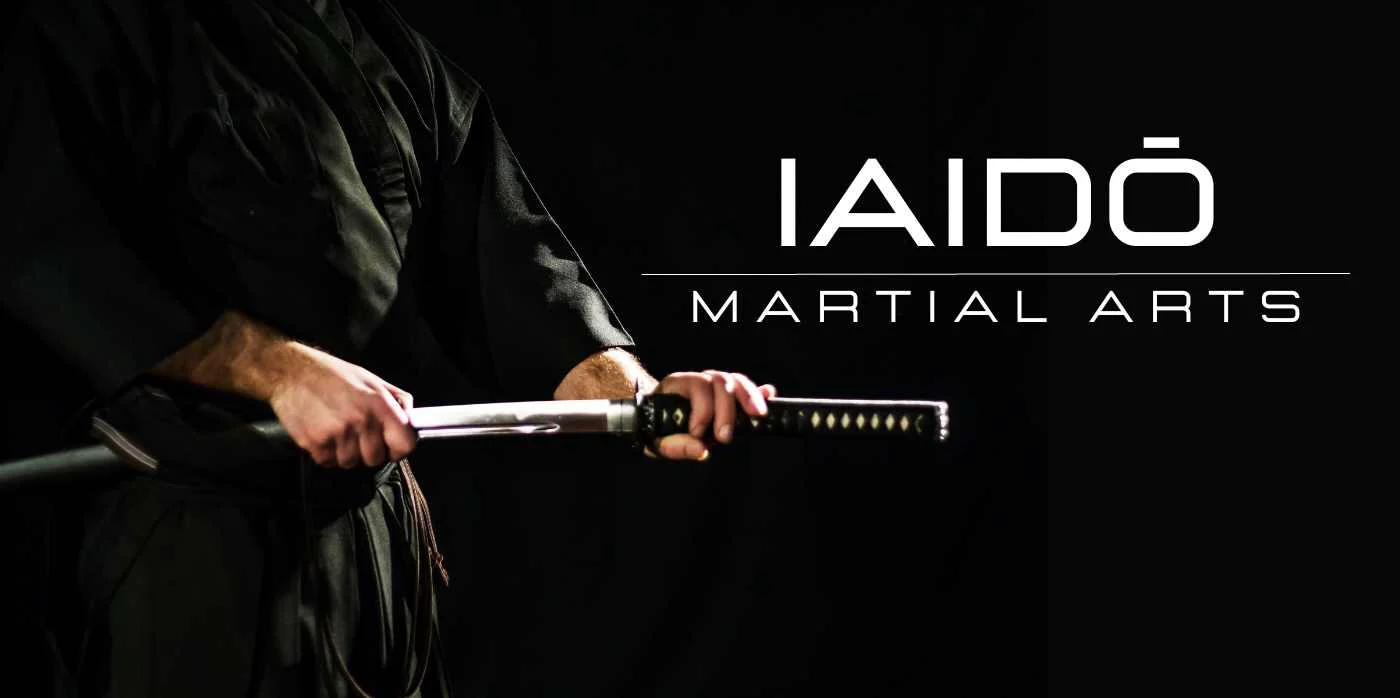
What exactly is ‘Iaido’?
Dō’ means ‘path’ or ‘way’ and is a term found in many Japanese traditional cultural names, such as Karate, Judo, Kenjutsu, and others. Thus, the ‘Dō’ in the name signifies that it is part of Japanese traditional culture.
Iai’ is an abbreviation of the Japanese phrase ‘Tsuneniite, kyūniawasu,’ which translates to ‘always being present and suddenly responding to any situation.’ Samurai carried their swords with them wherever they went, and even common people were allowed to carry short weapons for self-defense. This meant that samurai could potentially encounter combat situations at any time and place. Whenever such a situation arose, they needed the skill to draw their sword and counterattack. This is the core concept of Iaido, the art of drawing the sword.
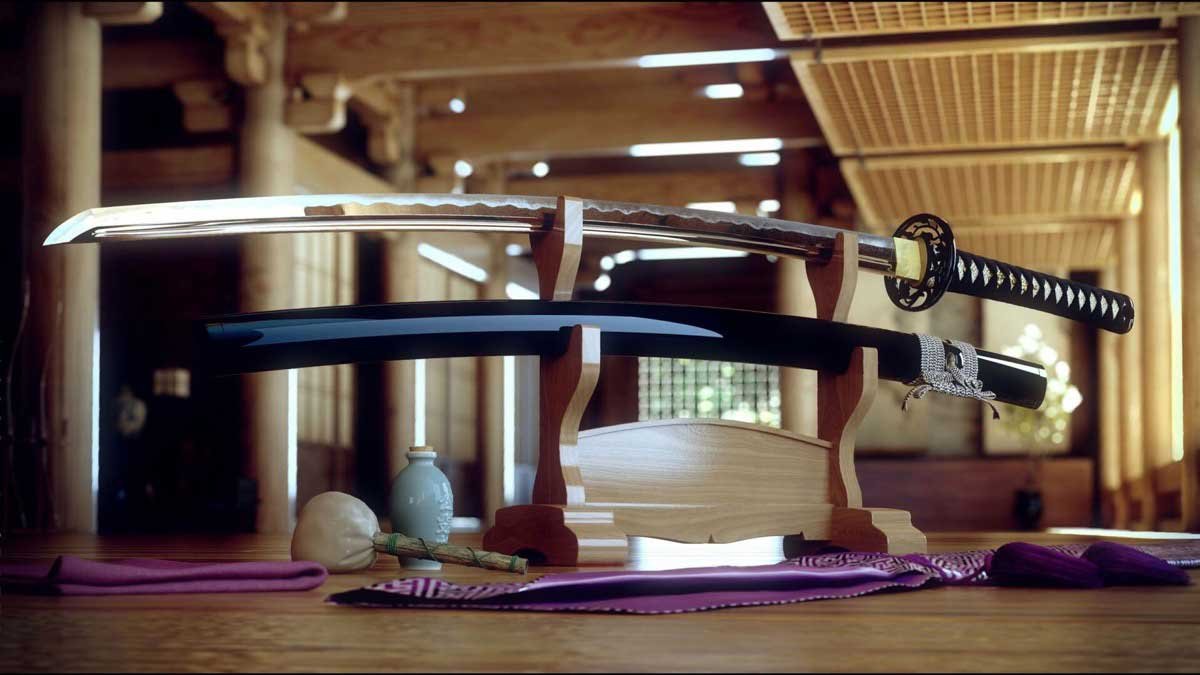
Iaido: The Blade in the Sheath, The Philosophy of the Moment
Iaido is a name full of contradictions and poetry. It's both a sword-drawing and slaying technique that comes from ancient Japanese battlefields, and a path of personal growth aimed at finding inner peace during peaceful times. At its heart, in the moment of expecting an enemy's attack, you draw the sword and strike with lightning speed, flowing smoothly the whole way. But Iaido isn’t just about the martial art of "one-strike killing"—it’s also about honing an "unmoving heart." It’s not meant for fighting—it’s meant to stop fights. The dojo isn’t a noisy battleground; it’s a reflection of the practitioner’s own inner self. Iaido is about awareness, readiness, and self-control—a quiet battle with yourself where victory is decided before the sword is even drawn.
Prologue: The Ancient Dialogue Between Sword and Sheath
Throughout human history, almost every culture has made weapons for killing, but few have treated a sword like it was part of the soul and faith, like in ancient Japan. This is the Japanese sword, with its graceful curve and sharp edge. In those war-torn times, a samurai's life was full of uncertainty; even a calm-looking moment could hide deadly danger. Whether they met someone in a long hallway or walked through the countryside, enemy attacks could come out of nowhere. So, samurai faced a life-or-death question: how could they draw their sword from the sheath at their waist as quickly as possible and strike back most effectively? This was the earliest reason for 'iaido.' Originally, it wasn’t a standalone martial arts school but a skill every swordsman had to know. These scattered sword-drawing techniques were rough and straightforward, purely for real combat. They were survival instincts, emergency reactions born out of blood and fire. Samurai raced against time between the sheath (Saya) and the hilt (Tsuka) at the blink of an eye. But even then, it was just 'Jutsu,' pure technique, not yet 'Do,' the path to a higher way. It was waiting for a chance, a way to turn battlefield killing techniques into a spiritual philosophy.
Chapter 1:
The Dawn of the Sword Drawing Technique—The Legend of Jinsuke Hayashizaki
The story really kicks off in 16th-century Japan. A young samurai named Hayashizaki Jinsuke sparked the first beginnings of iaido. Legend says his father was ambushed and killed in a vendetta, and Jinsuke vowed to master unbeatable sword skills to get revenge. His path wasn’t just about tough training. The story goes that he locked himself away at Hayashizaki Myojin Shrine, spending day after day praying and swinging his sword, thinking about how to “catch the enemy off guard and defeat them in one move.” He realized the real edge in combat didn’t come from duels where both sides were ready, but in that split second when things go from still to moving. One night, while training late, he had a flash of insight, like a divine revelation: he figured out how to combine drawing, swinging, and counterattacking into quick, unpredictable lightning strikes. That’s when Jinsuke Hayashizaki came up with a full, systematic sword-drawing technique, which later got known as the “Kata Style.” What he created wasn’t just a bunch of random emergency moves, but a set of well-planned routines called “Kata.” Each one was designed for a specific situation:
Seated enemies: How to deal with enemies who attack while you’re sitting.
Enemies on their feet: How to handle ambushes while standing or walking.
Attacks from behind: How to detect and counter strikes from behind.
Multiple enemies: How to escape when surrounded.
His big innovation was turning the sword-drawing technique from a “reaction” into taking the “initiative.” His idea was a “preemptive strike,” taking control the moment he figured out what his opponent planned. And it went deeper: “Within the sheath, victory and defeat are decided” (Saya no uchi de katsu)—using presence and insight to make the enemy feel they stand no chance, winning even before drawing the sword. This wasn’t just a breakthrough in martial arts; it was also a mental strategy. That’s how iaido got its soul.
Chapter 2:
From 'Jutsu' to 'Tao'—The Evolution of Peace in the Edo Period
History kept moving, and Japan entered the Tokugawa shogunate era, which lasted over 260 years and is known as the Edo period. It was a time of "peace across the land," where once-bloody battlefields went quiet, and samurai gradually shifted from fearless warriors to bureaucrats managing state matters. For samurai who saw fighting as their purpose, peace was both a gift and a tough "identity crisis." When the sword was no longer something you used every day to survive, samurai started wearing it more as a status symbol. So, what was the point of practicing deadly sword techniques every day?
In this context, Japan's "Bujutsu" went through a big spiritual shift and evolved into "Budo." The focus changed from "how to efficiently kill the enemy" to "how to improve yourself through martial arts training." The goal shifted from outward victory to inner growth. Iaido fit this perfectly. Unlike kendo, which needs a partner, Iaido can be practiced alone. The opponent is imaginary, visualized in the "form," making the practice deeply introspective. Every sword draw is a conversation with yourself. Every sheath (Noto) represents inner calm and returning to yourself. The dojo was so quiet that you could only hear the swish of clothes, the slice of the blade, and the crisp "click" of the sword sliding back into its sheath.
This style fits perfectly with Eastern philosophy, especially Zen. Iaido is sometimes called "Zen in motion." Practitioners focus on:
- Zanshin: After a move, stay alert and focused with both body and mind.
- Fudoshin: In any crisis, keep your heart steady and calm like a rock.
- Heijoshin: Keep a peaceful and natural mind, whether in the dojo or daily life.
During the Edo period, the sword-drawing techniques developed by Hayashizaki Jinsuke spread widely, creating many schools like 'Musou Direct Transmission Eishin-ryu' and the 'Dream God Transmission Style,' each with its own 'forms' and mental strategies. Iaido fully completed the shift from 'jutsu' to 'dao.' It wasn’t just about drawing the sword to strike anymore—it became a way to cultivate your character and find the true meaning of life.
Chapter 3:
Storms and Rebirth—Struggles and Modernization After the Meiji Restoration
The peaceful Edo period came to an end with Western artillery fire. In 1868, the Meiji Restoration kicked off Japan’s journey toward modernization. To build a Western-style centralized government, the new regime implemented sweeping reforms, one of which was abolishing the feudal samurai class. The 1876 Haitōrei law dealt a fatal blow to traditional swordsmanship. Samurai lost the right to carry swords, and centuries-old skills suddenly seemed like useless relics. Iaido, along with other traditional martial arts, plunged into an unprecedented period of obscurity. Many schools’ lineages broke, dojos were abandoned, and in an age obsessed with “civilization and enlightenment” while embracing Western technology, the samurai sword was seen as a symbol of backwardness—something the new era wanted to leave behind.
But the roots of tradition always have loyal guardians. At a critical time for iaido, martial artists like Nakayama Hirodo stepped up. They traveled far and wide, emphasizing iaido’s modern relevance. They argued that today’s iaido wasn’t just about combat—it was a kind of spiritual sport. Through rigorous practice of forms, it could help people develop perseverance, composure, and focus—traits important for building a strong, modern nation. To make the ancient art fit the new era, iaido began a process of “modernization.”
By the mid-20th century, the All Japan Kendo Federation (ZNKR) was established. To promote and popularize iaido, they invited masters from various old schools to create standardized iaido forms, called “Seitei Iai.” This system, with 12 forms, took the essence of multiple traditional schools, simplified complex rituals, and made it easier for beginners to learn and advance. This was a turning point for iaido: preserving the centuries-old Koryu traditions while also creating a modern, accessible set of forms for mass practice. After surviving a near-extinction storm, iaido was reborn, now thriving in a brand-new, dual-path way.
Chapter 4:
Sheath Travels the Four Seas—Iaido in the Age of Globalization
After World War II, as Japanese culture spread around the world, Iaido—a unique Eastern art—also started reaching people across the globe. At first, it was just a side practice for kendo enthusiasts, but its unique appeal—the calm yet explosive power and the deep focus on controlling the mind—quickly drew in foreigners who were fascinated by Eastern philosophy and samurai culture. From castles in Europe to community centers in North America, and from gyms in South America to parks in Oceania, you can find “exotic swordsmen” dressed in traditional gi practicing with Japanese swords. They might not understand Japanese or know all the historical details, but through every breath and every draw of the sword, they genuinely experience the universal values Iaido teaches: focus, discipline, respect, and self-improvement.
Today, Iaido is a global cultural phenomenon. Clubs and federations have popped up all over the world, hosting international competitions and seminars where practitioners of all backgrounds can meet, share, and learn from each other. The reasons people practice it have also become more varied:
- Dynamic Meditation:** Finding inner calm in a fast-paced world.
- Cultural Experience:** Experiencing and preserving a refined ancient tradition firsthand.
- Physical Exercise:** Improving coordination, balance, and core strength.
- Aesthetic Pursuit:** Appreciating the strength and beauty of martial art forms.
Looking back at Iaido’s long journey, it almost feels like a story about the Japanese sword itself. Born in violence, yet shaped in wisdom and peace; nearly lost to time’s upheavals, but revived and shining in the modern world. The sword stays in its sheath, but its challenge is no longer an outside enemy—it’s the eternal struggle inside the practitioner’s heart: restlessness, fear, and confusion. In the end, the highest goal of Iaido remains the “sheath”—exactly what Shinsuke Hayashizaki realized centuries ago. True victory doesn’t come from a dramatic strike, but from countless moments of practice, self-restraint, and insight that lead to lasting peace. This is the philosophy of the sheathed blade: an endless exploration of human nature and the sword, movement and stillness, life and death, all unfolding in a small, quiet space.